

 By
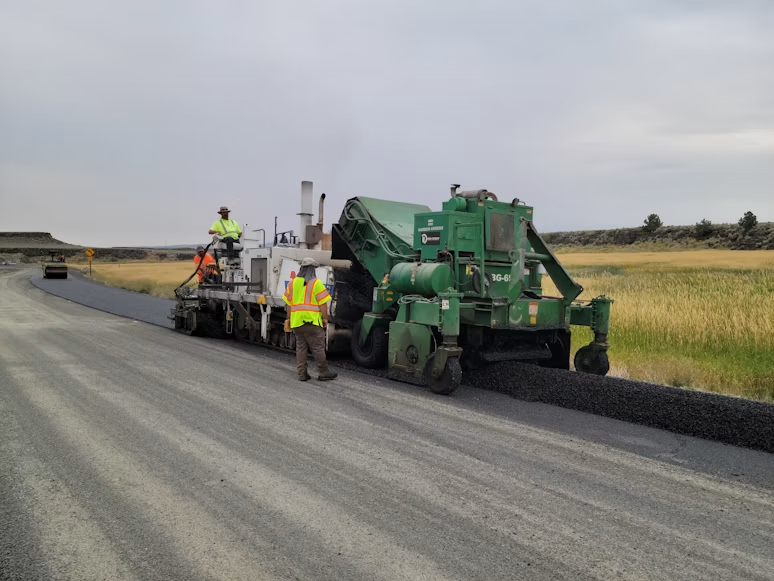
By Photo: Tom Shamberger / Unsplash
By Brees Lederman | The Now Daily
Texas drivers are likely to continue encountering construction zones as the Texas Department of Transportation moves another round of highway and infrastructure projects through the state’s construction process.
TxDOT’s August 2026 construction records include projects spread across multiple regions of Texas, continuing a broader effort to maintain existing highways while expanding transportation infrastructure in areas experiencing population and traffic growth.
The work ranges from relatively routine roadway improvements to massive multiyear projects capable of reshaping major transportation corridors.
Texas Has Another Full Month of Highway Projects
TxDOT maintains monthly construction letting schedules covering projects that are prepared for contractors to bid on.
The agency’s records show another collection of state-let construction projects scheduled for August 2026. TxDOT also maintains a separate August schedule for state-let maintenance projects.
These projects are not all new highways.
Transportation spending can include pavement improvements, bridge work, safety upgrades, drainage, intersection improvements and reconstruction of existing roadways.
For drivers, that means a construction project may be important even when it does not involve adding entirely new lanes.
Maintaining the enormous network Texas already has is a major part of the state’s transportation workload.
Population Growth Keeps Pressure on Texas Roads
Texas’ continued growth presents a difficult transportation challenge.
New homes, businesses and industrial developments can add thousands of daily trips to roadways that may have been designed when surrounding communities were significantly smaller.
Congestion is only part of the problem.
More vehicles can increase pavement wear, create additional pressure at intersections and require upgrades to bridges, frontage roads and highway interchanges.
Transportation projects can take years to move from initial planning to construction, meaning TxDOT must often plan around projected future traffic rather than simply reacting to today’s conditions.
That is particularly important around rapidly expanding metropolitan areas.
I-35 Remains One of the State’s Biggest Projects
Few projects illustrate the scale of Texas transportation investment better than the reconstruction of Interstate 35 through Austin.
TxDOT continues advancing the I-35 Capital Express Central project, a major reconstruction of the interstate through central Austin.
Current TxDOT project records include extensive construction plans associated with the project, reflecting the complexity of rebuilding a heavily traveled interstate through one of the state’s largest urban areas.
The corridor is important not only to Austin residents but also to statewide travel and freight movement.
I-35 connects major Texas population centers and serves as a critical north-south route through the state.
Construction Can Create Short-Term Problems
Road improvements are intended to address transportation needs, but construction itself can make driving more difficult.
Lane closures, reduced speed limits, temporary traffic patterns and construction equipment can increase travel times and require drivers to pay closer attention.
Projects involving major intersections or interstates can affect commuters for months or years.
That creates a tradeoff familiar to communities throughout Texas: infrastructure improvements may eventually improve safety or capacity, but residents must first live with the disruption required to build them.
Drivers traveling through active construction areas should watch for changing traffic patterns rather than assuming a familiar route will operate exactly as it did previously.
Highway Work Extends Beyond the Big Cities
Texas transportation construction is not limited to Dallas, Houston, Austin and San Antonio.
TxDOT’s monthly project records regularly include work in smaller counties and rural areas.
July construction records, for example, included projects in counties ranging from Brazos and Kaufman to Limestone, Liberty, Jefferson and numerous others.
Rural transportation projects can be particularly important because highways often serve as primary connections between communities, workplaces, schools and medical services.
They are also essential to agriculture, energy production and freight movement.
A highway carrying fewer commuters than an urban interstate can still have major economic importance to the region it serves.
Brazos County Is Part of the Construction Picture
The Bryan-College Station region is not separated from the state’s broader transportation investment.
TxDOT’s July state-let construction records included projects in Brazos County, demonstrating continued transportation work in the local region.
Transportation planning is especially important around Bryan-College Station because the area combines permanent population growth with substantial traffic connected to Texas A&M University.
Football games, student move-in periods, major university events and continued residential development can produce large swings in traffic demand.
Future economic development in neighboring counties could place additional pressure on regional transportation infrastructure as well.
Road Projects Go Through a Long Process
Seeing construction crews on the highway is one of the final visible stages of a much longer process.
Before many major projects reach construction, engineers and transportation planners may study traffic, environmental impacts, right-of-way needs, drainage, utility conflicts and potential designs.
Projects then need funding and detailed construction plans before contracts can move forward.
TxDOT’s monthly letting process is an important part of that progression because contractors compete for projects that are ready to enter the construction phase.
The state’s August records show that process continuing across Texas.
Maintenance Is Just as Important as Expansion
New lanes and major highway projects tend to receive the most attention, but maintaining existing infrastructure is another significant responsibility.
Texas weather and heavy traffic can gradually deteriorate pavement.
Commercial trucks can place additional stress on heavily traveled freight corridors, while extreme heat and severe weather can contribute to roadway damage.
TxDOT therefore maintains separate construction and maintenance programs.
The agency’s records show state-let maintenance activity scheduled for August alongside the larger construction program.
Keeping existing roads usable can sometimes be as important as constructing new capacity.
Transportation Investment Affects the Texas Economy
Roads are economic infrastructure.
Manufacturers need highways to receive materials and ship products. Energy companies rely on roads to reach production areas. Retailers depend on freight deliveries, and workers need reliable transportation to reach jobs.
Texas’ location also makes the state an important freight corridor for trade moving within the United States and across the border with Mexico.
Congestion or deteriorating infrastructure can therefore create costs that extend beyond an individual driver’s commute.
Transportation investment can affect shipping times, business locations and the ability of growing communities to accommodate additional development.
Drivers Can Track Projects Before Traveling
TxDOT provides online information about construction projects and highway conditions throughout Texas.
Checking current conditions can be particularly useful before long trips or travel through major construction corridors.
Drivers should also pay attention to work-zone speed limits, temporary signs and changing lane configurations.
Construction schedules can change because of weather, contractor operations and other factors, so conditions visible on the road may not always match what a driver encountered on a previous trip.
What Comes Next
Texas’ transportation construction effort will continue well beyond August.
Population growth, freight traffic and development are creating long-term demand for additional infrastructure while thousands of miles of existing roads and bridges must also be maintained.
Major projects such as the I-35 reconstruction will take years, while smaller projects will continuously enter and leave the construction pipeline.
For communities such as Bryan-College Station, the important question will be whether transportation investment can keep pace with residential and economic growth.
The Now Daily will continue tracking major Texas transportation projects and developments affecting drivers across the state.
Sources Consulted
- Texas Department of Transportation — August 2026 State-Let Construction Records
- Texas Department of Transportation — August 2026 State-Let Maintenance Records
- Texas Department of Transportation — July 2026 Construction Projects
- Texas Department of Transportation — I-35 Capital Express Central Construction Records